Daylight’s End and the problem of holding the station
A look at the survival film’s central location and why a refuge changes the decisions an action scene can ask for.
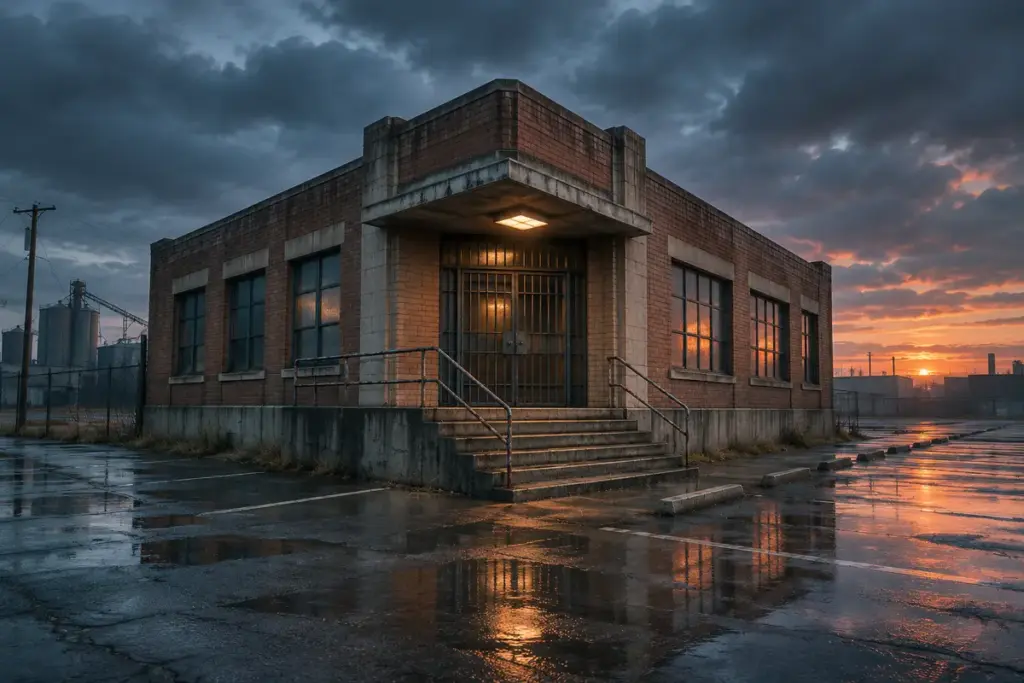
In a survival film, the decision to stay somewhere can be as revealing as a chase. Daylight’s End places survivors in a police station after a catastrophe and brings a wandering stranger into their situation. The supposed refuge gives everybody a common location and leaves open whether they have a common plan.
A base changes the next action beat
A building worth keeping gives each departure a cost. A person who goes out to look for help may put people inside at risk. A person who remains has to make decisions with whatever information reaches the station. This is the useful difference between an abandoned landscape and a place the film’s characters still consider theirs.
William Kaufman directed the film, which appears in the Dallas International Film Festival’s 2016 programme announcement. The programme is a way to place the release and its Dallas connection without treating the old DecayMag interview address as a transcript. Dallas International Film Festival announcement.
The archive address once pointed to coverage of Kaufman. This new note returns to one question that the setup makes available. When a perimeter matters, a scene can build tension from a decision about access before anyone has to run.